

Digital payment trends are fundamentally changing how consumers, businesses, and governments exchange value. From mobile wallets to real-time transfers, cashless transactions are no longer a convenience—they are becoming the backbone of modern economic activity. As financial ecosystems evolve, understanding these shifts is essential for staying competitive in a rapidly digitizing world.
The Key Digital Payment Trends Driving Economic Change
Technological innovation and shifting consumer expectations are accelerating the move away from cash. Smartphones, AI, and embedded financial tools are converging to create faster, smarter, and more accessible payment systems worldwide.
The Rise of Mobile Wallets and Contactless Payments
Smartphones equipped with NFC technology have replaced wallets stuffed with cards and cash for millions of users. Apps like Apple Pay, Google Pay, and regional alternatives allow instant tap-to-pay transactions.
- Apple Pay – secure, widely supported, integrates with biometric authentication
- Google Pay – cross-platform compatibility and loyalty integration
- WeChat Pay / Alipay – dominant in Asian markets, combining payments with social and commerce features
- PayPal/Venmo – peer-to-peer convenience for everyday transactions
Real-Time Payments and Faster Transaction Processing
Instant transfers are reshaping cash flow management for individuals and enterprises alike, reducing the lag traditionally associated with banking.
| Feature | Traditional Payment Systems | Real-Time Payment Systems |
|---|---|---|
| Settlement Time | 1–3 business days | Seconds |
| Availability | Banking hours only | 24/7/365 |
| Transparency | Limited tracking | Instant confirmation |
| Cost for Businesses | Higher overdraft/float costs | Reduced cash-flow risk |
Embedded Finance and Buy Now, Pay Later Services
Financial services are increasingly built directly into e-commerce platforms, removing the need for separate banking steps.
- Buy Now, Pay Later (BNPL) at checkout for flexible installment purchases
- In-app lending offered by ride-share and delivery platforms
- Embedded insurance bundled with travel or retail purchases
- White-label banking services offered through retail apps
The Growing Influence of AI and Automation in Payments
Artificial intelligence is now central to fraud prevention and personalized financial experiences.
- Real-time fraud detection using behavioral analytics
- Chatbots for instant customer support
- Predictive spending insights and budgeting tools
- Automated reconciliation for business accounting
How Digital Payment Trends Are Reshaping the Economy Across Industries
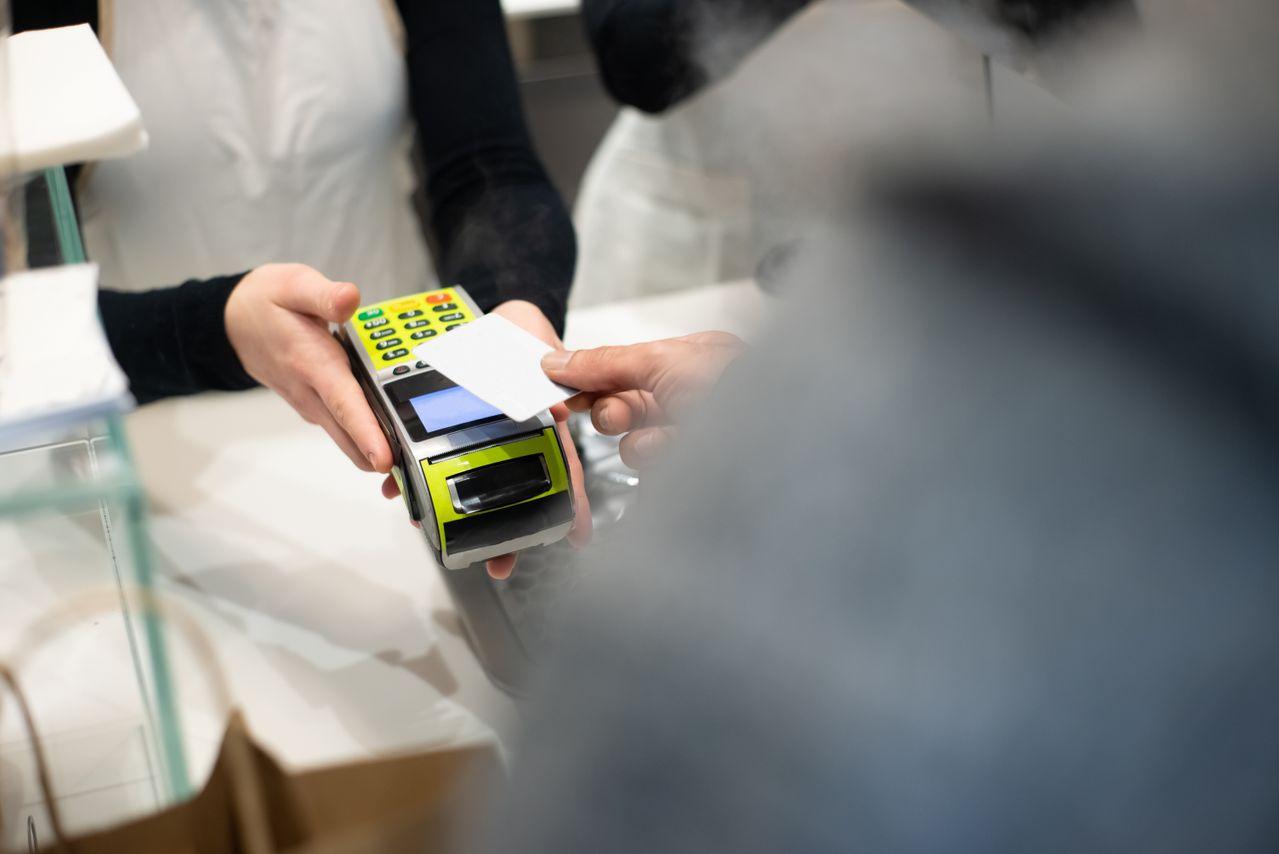
The influence of digital payments extends well beyond retail and banking, touching healthcare, transportation, and public services. Entire industries are restructuring operations around faster, data-driven transactions.
Transforming Consumer Spending Habits and Financial Behavior
Convenience and immediacy are reshaping how people manage money.
- Increased reliance on subscription-based services
- Greater use of budgeting and spending-tracking apps
- Reduced cash withdrawals and ATM usage
- Impulse purchasing driven by frictionless checkout
Helping Businesses Improve Efficiency and Customer Experience
Digital payments streamline operations across business types.
| Business Type | Key Benefit |
|---|---|
| Small Businesses | Lower processing costs, faster settlement |
| Retailers | Omnichannel checkout, inventory sync |
| Service Providers | Automated invoicing and recurring billing |
Expanding Financial Inclusion and Access to Banking Services
Digital tools are bringing financial inclusion to populations previously excluded from formal banking.
- Access to savings tools without a traditional bank branch
- Microloans available through mobile platforms
- Lower transaction costs for remittances
- Improved credit access through alternative data scoring
Supporting E-Commerce and the Global Digital Economy
Cross-border payments are fueling international trade and online retail growth, as detailed in the World Bank’s research on digital economies.
| Aspect | Traditional Commerce | Digital Commerce |
|---|---|---|
| Market Reach | Local/regional | Global |
| Payment Options | Cash, check, card | Wallets, crypto, BNPL |
| Transaction Speed | Days | Minutes |
Challenges and Risks Associated With the Shift to Digital Payments

While digital payments offer significant benefits, they also introduce new vulnerabilities that businesses and regulators must address proactively.
Cybersecurity Threats and Fraud Prevention
- Phishing and account takeover attempts
- Data breaches exposing payment credentials
- Card-not-present fraud in online transactions
- Multi-factor authentication as a key safeguard
Privacy Concerns and Data Collection Issues
| Advantages of Data-Driven Systems | Disadvantages of Data-Driven Systems |
|---|---|
| Personalized offers and services | Risk of data misuse |
| Improved fraud detection | Reduced consumer anonymity |
| Streamlined credit scoring | Potential for algorithmic bias |
The Digital Divide and Accessibility Challenges
- Limited internet or smartphone access in rural areas
- Lack of digital literacy among older populations
- Distrust of digital financial institutions
- Insufficient banking infrastructure in developing regions
Regulatory Changes and Compliance Requirements
- Stricter Know Your Customer (KYC) requirements
- Evolving anti-money laundering (AML) frameworks
- Cross-border regulatory harmonization efforts
- Consumer protection standards for digital lenders
What the Future of Digital Payments Means for the Economy
Emerging technologies promise to redefine how money moves at a global scale, with long-term implications for monetary policy and commerce.
The Potential Role of Central Bank Digital Currencies and Blockchain Payments
| Currency Type | Issuer | Key Characteristic |
|---|---|---|
| Traditional Currency | Central banks | Physical and digital banking |
| CBDC | Central banks | Government-backed digital currency |
| Cryptocurrency | Decentralized networks | No central authority |
According to the Bank for International Settlements, dozens of countries are actively exploring central bank digital currencies (CBDCs) as part of future monetary frameworks.
Hyper-Personalized Payment Experiences Powered by AI
- Tailored credit and loan offers based on spending behavior
- Predictive budgeting recommendations
- AI-driven investment suggestions integrated into wallets
Cross-Border Payments and the Expansion of Global Commerce
- Reduced currency conversion fees
- Faster international settlement times
- Expanded market access for small exporters
- Greater price transparency for global consumers
Preparing Businesses and Consumers for a Cashless Future
A practical checklist for adaptation includes:
- Adopting multiple digital payment options at checkout
- Strengthening cybersecurity protocols
- Educating customers on digital financial literacy
- Monitoring regulatory developments in relevant markets
Conclusion
Digital payment trends are reshaping the economy by transforming consumer behavior, strengthening business efficiency, expanding financial inclusion, and accelerating technological innovation. As mobile wallets, real-time transfers, AI, and emerging currencies continue to evolve, the future economy will depend increasingly on secure, intelligent, and interconnected payment systems. Businesses and individuals that adapt early will be best positioned to thrive in this new financial landscape.